We need your feedback on Hwy 252/I-94 design options. Learn about the options below.
From 2020-2023, we worked closely with the public and federal/local partners to narrow down Hwy 252/I-94 design options to further study in the draft environmental impact statement phase. Using technical analysis and feedback from project stakeholders and other government agencies, we evaluated numerous designs options using evaluation criteria that measure how well a design will meet the project’s needs. This process has narrowed the selection of recommended design options down but more work is needed to ultimately select a preferred alternative.
The evaluation criteria included:
Safety and mobility for people driving
Safety and mobility for walking, biking, and rolling
Transit considerations and improvements
Social, economic, and environmental considerations
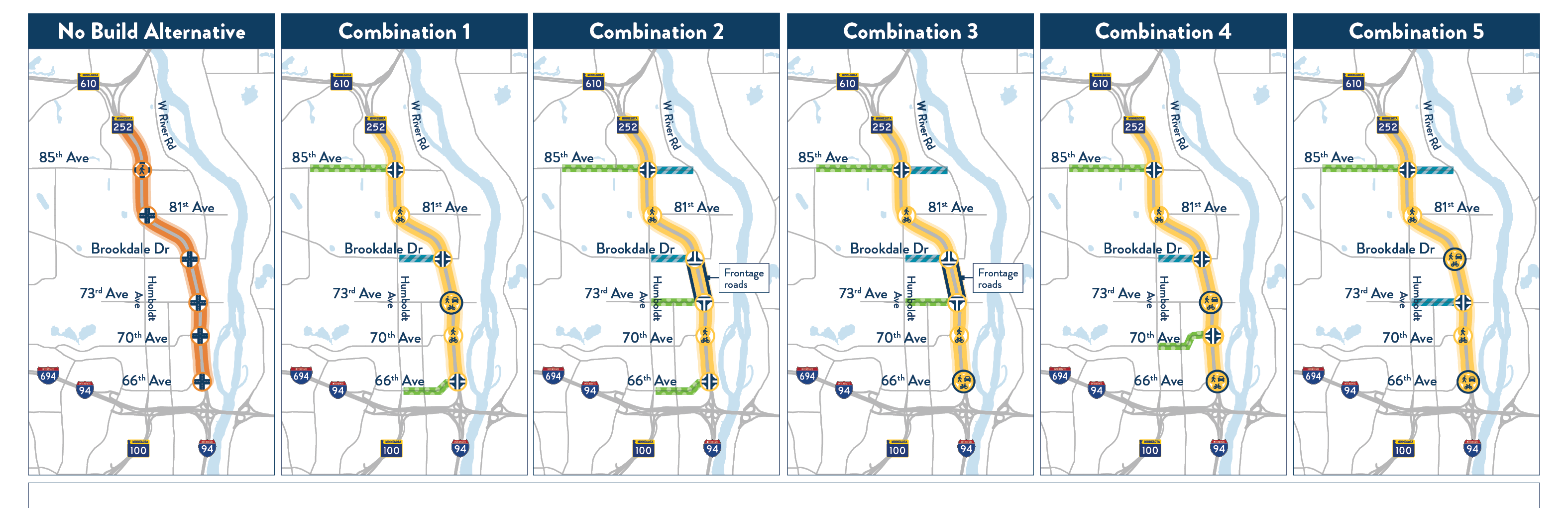
In summer 2025, we evaluated five options called “Access Combinations” for where drivers could enter and exit Hwy 252. We also considered a No Build Alternative to understand how each option would perform. The graphic below shows each Access Combination. As part of the evaluation, we looked at how well each option could improve safety and mobility, reduce property impacts, and support emergency response times. Please visit our access combination website to learn more.
Thank you to everyone who took the time to review the draft Access Combinations and share your feedback. Based on technical analysis and community input, the project team recommended advancing Access Combination 1 for further study.
Key features of Access Combination 1:
Full access interchanges at 85th Ave., Brookdale Dr. and 66th Ave.
Multimodal crossing under Hwy 252 at 73rd Ave.
Pedestrian/bicycle bridges at Humboldt Ave./81st Avenue and 70th Ave.
The following improvements to the local roads are recommended:
Capacity and safety improvements on Brookdale Dr. west of Hwy 252 to Humboldt Ave.
Safety improvements on 85th Ave. from Dupont Ave. to Noble Ave. and on 66th Ave. west of Hwy 252 to Humboldt Ave.
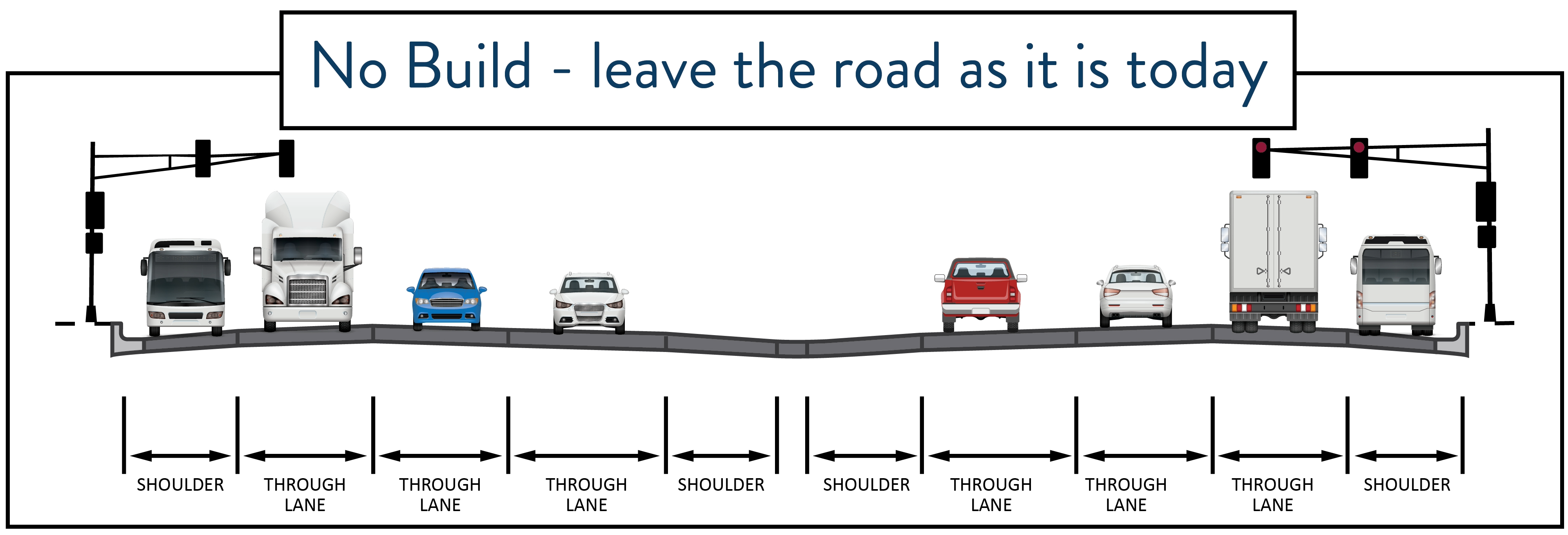
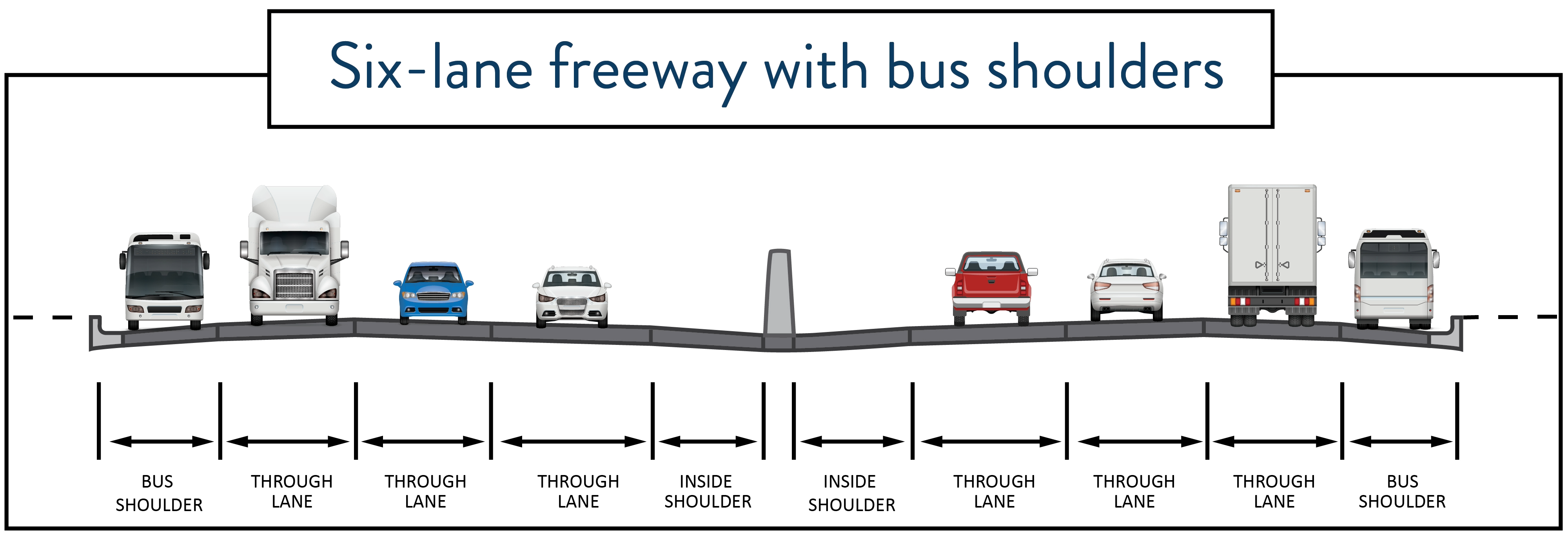
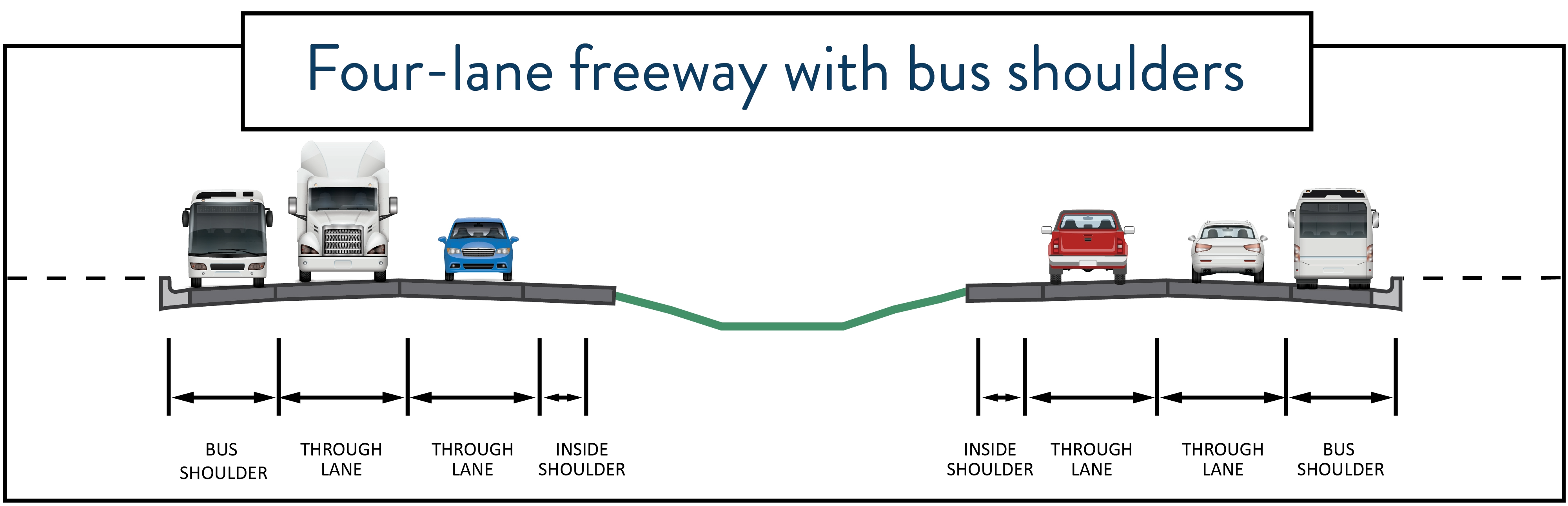
All options besides “keeping the road as it is today” include changing the roadway from an expressway (road with ground-level traffic signals) to a freeway (road with overpasses/ underpasses and interchanges with on/off ramps).
Freeways:
Eliminate the forced stop and go traffic by removing signals
Increase comfort and safety for people walking, biking, and rolling on local roads by providing more separation from high-speed traffic
By design, reduces the number of conflict points, which will increase safety for people driving
Reduce conflict points with other vehicles, thereby reducing the number of crashes
Offer a better transit experience with managed lanes and bus only shoulders
Decrease the amount of time spent in traffic on local streets and Hwy 252 and I-94
Dismissed expressway design options
Several expressway concepts (road with ground-level traffic signals) were considered during the scoping phase of the study from 2020-2023. These options were dismissed for further consideration.
Expressways:
Provide minor improvements in safety and mobility compared to the existing road today
Do not address existing intersection safety issues on Hwy 252
Do not reduce ground-level, high-speed traffic on Hwy 252, which conflicts with safety and mobility for people walking, biking, and rolling
Lead to more traffic diversion to local streets
Do not provide improvements for people using transit on Hwy 252
Please refer to Chapter 8 Alternatives Not to be Studied in the EIS in the Final Scoping Decision Document for more information.
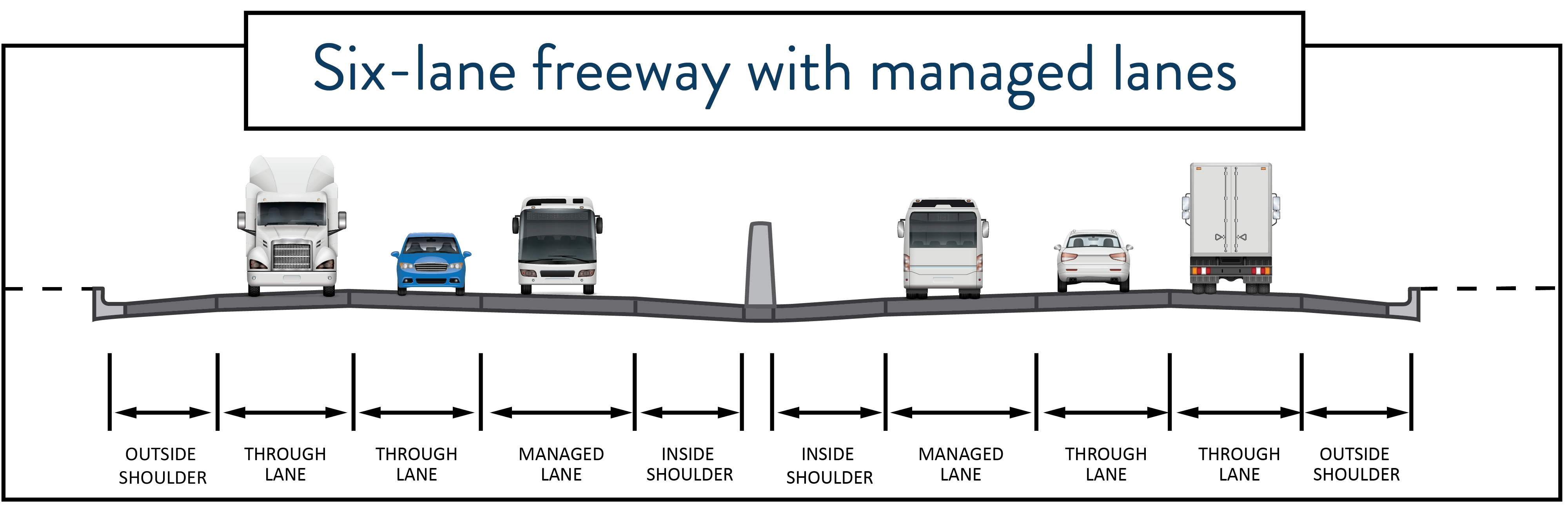
Managed lanes (E-ZPass or carpool lanes)
We are considering managed lane design elements on Hwy 252 and on I-94.
Improved transit experience in the corridor over the existing condition
Advantages for car poolers and motorcyclists
Travel time reliability on Hwy 252 and I-94
A direct connection to downtown Minneapolis
Visual Quality Advisory Committee
A Visual Quality Advisory Committee will be established for this project. Committee members will be selected through consultation with MnDOT staff, agency stakeholders, and other relevant considerations. The committee will meet periodically throughout the project, with meeting dates and times to be determined. The committee’s role will be to provide input and feedback on visual quality aspects of the project and to offer suggestions for broader engagement on this topic. The advisory committee will have no formal decision-making authority. The Visual Quality Advisory Committee is expected to begin meeting after completion of the Environmental Impact Statement (EIS).